At Deck and Balcony Inspectors, we specialize in ensuring the safety, durability, and compliance of Exterior Elevated Elements (EEEs) throughout California. Whether you're a property manager or property owner, our expert inspections help protect your investments and meet the requirements of California Senate Bills SB 721 and SB 326. Our commitment to safety and excellence, combined with years of experience, makes us the trusted choice for thorough and reliable evaluations.
What is an EEE inspection?
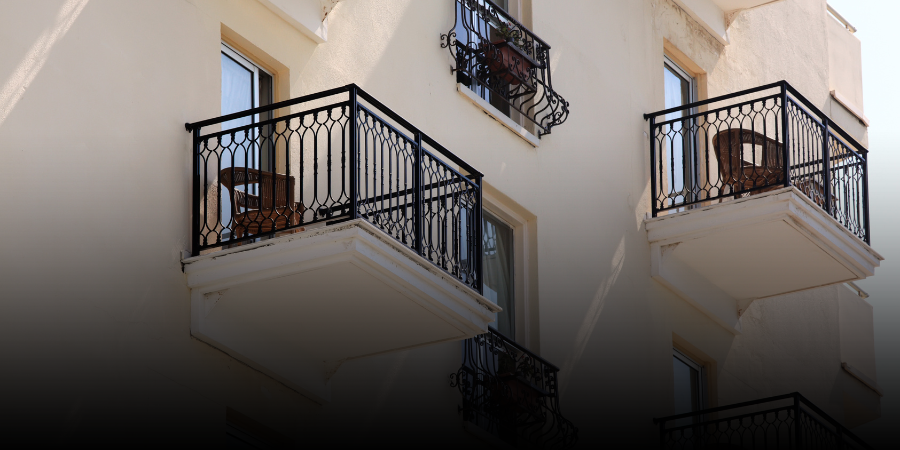
Under California law, “exterior elevated elements” generally include weather‑exposed, load‑bearing components such as balconies, decks, exterior stairs, landings, and walkways that project beyond exterior walls and are more than six feet above adjacent grade. An EEE inspection focuses on both the structural members (like joists, beams, ledgers, and posts) and the associated waterproofing (such as membranes and flashings) that protect those components from moisture intrusion.
In practical terms, an exterior elevated elements inspection is a systematic evaluation of:
- Load‑bearing components: Framing, connections, and support members are examined for signs of decay, cracking, corrosion, or movement that could compromise structural integrity.
- Waterproofing and drainage: Membranes, coatings, flashings, and drainage paths are checked to determine whether they are intact and directing water away from structural members.
- Guardrails and safety elements: Rail height, spacing, and attachment are reviewed to confirm they meet applicable code and provide adequate fall protection for occupants.
- Concealed conditions: Where required, inspectors may use moisture meters, infrared imaging, or limited exploratory openings to assess concealed cavities for dry rot, corrosion, or active leaks.
For property owners wondering about California’s EEE laws, the core concept is that these inspections verify exterior elevated elements are in a generally safe condition, in adequate working order, and free from deterioration or active water intrusion that could pose a hazard.
Ensuring Compliance with California’s Building Codes and Safety Regulations
California’s exterior elevated elements inspection program grew out of SB 721 and SB 326, which require periodic inspections of balconies, decks, walkways, landings, and similar elevated elements on multifamily and condominium properties. These laws focus on weather‑exposed, wood or wood‑framed elements more than six feet above adjacent grade that extend beyond the exterior wall, such as balconies, exterior stairs, and elevated walkways.
- SB 721 applies to multifamily rental buildings with three or more dwelling units and requires inspection of exterior elevated elements and associated waterproofing on a recurring schedule. Inspectors must evaluate load‑bearing components and waterproofing systems, document current condition, expected performance, and recommend repairs or further inspections.
- SB 326 applies to common interest developments such as condominiums and community apartment projects, requiring associations to inspect a statistically significant sample of exterior elevated elements within defined timelines.
AB 2579 amended SB 721’s exterior elevated elements inspection requirements by extending the initial deadline for many affected properties from January 1, 2025, to January 1, 2026. Under AB 2579, a property inspected within three years before January 1, 2019, may not require a new initial inspection until January 1, 2026, if it meets specific statutory conditions.
Failing to comply with California exterior elevated element inspections can result in code enforcement actions, monetary penalties, and increased liability exposure if a balcony, deck, or walkway fails. Working with an experienced inspector ensures your exterior elevated elements inspection program meets California exterior elevated element inspections requirements, including the timelines and documentation standards built into SB 721, SB 326, and AB 2579 inspections for exterior elevated elements.
Why Are EEE Inspections Critical for Safety and Longevity?
Regular inspections of Exterior Elevated Elements (EEEs) are more than just a legal requirement—they’re a vital step in ensuring safety and longevity. Beyond addressing wear and tear, these assessments help identify potential hazards, maintain structural integrity, and prevent costly damages. Staying proactive with inspections not only protects the people who use these structures daily but also ensures compliance with California’s strict building codes.
Preventing Structural Failures in Elevated Structures
Safety is our top priority. EEEs are prone to deterioration, which can lead to structural failures without proper care. Regular inspections help identify issues like cracks, wood rot, or corrosion before they worsen. By encouraging regular maintenance practices such as sealing, waterproofing, rust prevention, and detailed cleanings, we can prevent costly repairs and keep your structures in excellent condition.
Common Issues Found in Exterior Elevated Elements (EEE)
Our inspections frequently uncover the following problems in aging or poorly maintained structures:
- Wood Rot and Dry Rot: Moisture intrusion breaks down wooden elements over time, leading to weakened structures.
- Rust and Corrosion: Metal components, such as railings or fasteners, may corrode if not properly treated, compromising stability.
- Cracks and Structural Movement: Stress and environmental changes can cause cracking, shifting, or bowing in EEEs, which could signal major structural concerns.
Addressing these issues promptly is essential to maintaining the structural integrity and safety of your property. Left unchecked, problems like wood rot or corrosion can worsen over time, leading to more extensive and costly repairs. Regular inspections act as a safeguard, catching these issues early and ensuring that your EEEs remain safe, compliant, and functional for years to come.
Our Approach to EEE Inspections
Deck and Balcony Inspectors offers a structured exterior elevated elements inspection program that guides you from initial planning through final reporting, repairs, and re‑inspection timelines. The goal is to make EEE inspections simple, predictable, and fully aligned with EEE inspection California law requirements for both SB 721 and SB 326 properties.
Property Assessment and Scope Planning
The process starts with mapping all qualifying exterior elevated elements on your property, including balconies, decks, walkways, stairways, landings, and supporting guardrails and handrails.
For SB 721 properties, we establish the required sampling of each EEE type, and for SB 326 associations, we align with the significant sampling and confidence levels referenced in the statute and local guidelines.
On‑Site EEE Inspection
A qualified, California‑licensed professional inspects each identified element to determine current condition, signs of deterioration, and immediate safety concerns.
As appropriate, non‑destructive tools such as moisture meters, infrared scanners, and borescopes may be used to evaluate concealed framing and waterproofing systems without unnecessary demolition.
Condition Ratings, Repair Priorities, and Timelines
Each exterior elevated element receives a condition assessment, along with an evaluation of expected future performance and projected service life.
Any unsafe or severely compromised components are flagged for urgent repair, and owners receive recommended timelines consistent with California exterior elevated element inspections requirements for completing corrective work.
Comprehensive Written Report and Compliance Documentation
Within the statutory or locally required timeframe, you receive a written, signed report suitable for submission to local agencies, boards, or HOAs to demonstrate compliance with the exterior elevated elements inspection program.
Reports typically include photographs, descriptions of deficiencies, repair recommendations, and documentation of which EEEs were inspected to support future cycles and re‑inspection planning.
Support with Repairs and Re‑Inspection Cycles
When defects are identified, your report can be used to obtain bids from qualified contractors and to schedule repairs within the time windows specified by EEE inspection California law.
After repairs, follow‑up inspections or confirmations can be coordinated so that your property remains on track for the next six‑year or nine‑year cycle under SB 721, SB 326, and applicable AB 2579 updates.
Throughout this process, Deck and Balcony Inspectors works with property owners, property managers, and contractors to keep projects organized, minimize disruption, and ensure that exterior elevated elements inspections are completed before key deadlines.
Serving Property Owners, Property Managers, and Contractors with EEE Inspections
At Deck and Balcony Inspectors, we understand that different properties come with unique challenges and requirements. That’s why our inspection services are designed to cater to a diverse range of clients, including property owners, property managers, and contractors. Whether you’re a single property owner looking to ensure your deck is safe or a property manager responsible for maintaining the structural integrity of multiple units, we offer solutions tailored to your needs. By partnering with us, you’ll gain expert guidance, peace of mind, and the assurance that your property remains compliant with California’s inspection laws.
Tailored EEE Services for Single-Family and Multi-Unit Properties
For property owners and managers of multi-unit residential properties, our approach is dedicated to delivering customized inspection services. Multi-unit buildings, such as apartment complexes, require careful inspections to ensure compliance with SB 721 and maintain the safety of residents. We provide in-depth reports and actionable recommendations specifically tailored to your property type, helping you address any structural issues promptly and efficiently.
Specialized Inspections for Commercial and Residential Properties
Our expertise extends beyond residential properties to include large-scale commercial developments. From small businesses to larger commercial buildings, we offer inspections that prioritize safety and compliance, ensuring your property meets all regulatory requirements. Commercial properties often demand a higher level of scrutiny due to their size and the number of occupants, and our specialized reports help property owners address potential concerns proactively. By working with Deck and Balcony Inspectors, you can maintain the safety of your assets while enhancing long-term property value, no matter the scope or size of the structure.
FAQs Around Exterior Elevated Elements Inspections
What happens during an EEE inspection?
During an EEE inspection, a qualified professional locates all applicable exterior elevated elements, conducts visual and, when needed, non‑destructive testing to assess structural members and waterproofing, and documents conditions with photographs and notes. The inspector then prepares a written report summarizing current conditions, projected service life, and recommended repairs or monitoring, which you can use to show compliance with California exterior elevated elements inspection requirements.
What could happen if you skip your EEE inspection?
Skipping required EEE inspections can expose owners to code enforcement actions, fines, and orders to perform emergency repairs or restrict access to unsafe balconies, decks, or walkways. In addition, ignoring the exterior elevated elements inspection program increases the risk of sudden structural failures that can result in serious injuries, property damage, and significant liability claims.
How often do you need to complete EEE inspections?
Under SB 721 and related guidance, multifamily rental properties must complete exterior elevated elements inspections on a recurring six‑year cycle after the initial deadline, as extended by AB 2579 to January 1, 2026, for many properties.
Under SB 326, condominium associations must complete their initial EEE inspections by statute‑specific dates and then re‑inspect at least once every nine years, following the sampling and documentation requirements written into the law.
Who can do EEE inspections?
EEE inspection California law generally requires that exterior elevated elements inspections be performed by a California‑licensed architect, civil engineer, structural engineer, or other qualified professional defined in the statute and local implementing guidelines. Some jurisdictions and laws also permit licensed contractors with specific classifications and experience, or certified building inspectors approved by the local jurisdiction, to perform inspections as part of the exterior elevated elements inspection program.
Schedule Your Exterior Elevated Element Inspection Today
When it comes to EEE compliance and safety, the team at Deck and Balcony Inspectors is here to make your life easier. By partnering with us, you’ll receive trusted expertise, exceptional service, and detailed guidance through every step of the inspection process.
Don’t wait until it’s too late to address potential structural concerns or meet legal obligations. Schedule your professional inspection today by calling (818) 957-4654 or visiting us online. Together, we’ll ensure your property is safe, compliant, and ready for years of reliable use.