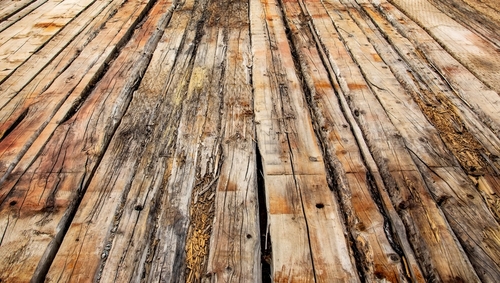
Wood rot on a deck rarely stays contained to what you can see. When a deck board shows visible deterioration, moisture-related damage may also be present in concealed framing, connection points, or other structural components. The source and extent of decay cannot always be determined from the surface alone.
For California property managers, HOA boards, and multifamily property owners, understanding how rot develops and what it means for compliance is essential to protecting both residents and the property itself.
At Deck and Balcony Inspectors, we provide independent, impartial inspections that help property owners identify wood rot before it becomes a serious safety issue. Call (818) 957-4654 to schedule an inspection.
Wood rot is fungal decay that develops when wood remains wet long enough for decay fungi to grow. As the fungi break down the wood, affected members can lose strength and become less reliable over time. Once established, rot generally continues spreading as long as moisture and favorable conditions persist, which is why catching it early matters so much for structural safety.
Wood decay is commonly described as brown rot, white rot, or soft rot.
Each type indicates a different pattern of decay, but all of them compromise the wood's structural capacity over time.
Wood rot develops when wood remains wet long enough for decay fungi to grow. Common contributing factors include inadequate drainage or waterproofing, ponding water on horizontal surfaces, deteriorated flashing or sealants, poor ventilation beneath the deck structure, and direct wood-to-concrete or wood-to-soil contact that traps moisture against the wood.
Rot doesn't always look the way people expect, and visible surface damage is often just the tip of a larger problem.
Common visible signs of deck wood rot include:
Visible fungal growth or mushrooms near wood framing, post bases, or consistently damp areas, which can indicate conditions favorable to decay
Structural components can fail unexpectedly once compromised, and a proper inspection is the safest way to understand the true extent of the damage.
Rot tends to concentrate in specific areas where moisture naturally collects or where water intrusion is most likely to occur, often in locations that aren't visible during a casual walkthrough.
High-risk areas for deck rot commonly include:
Preventing rot generally comes down to managing moisture before it has a chance to take hold in the wood.
Practical steps to help protect a deck and its joists from rot include:
In many cases, yes, though repair isn't always as simple as replacing a few visibly damaged boards. If the underlying source of moisture isn't corrected first, new materials installed during a repair may begin deteriorating in the same way.
Surface-level deck board replacement alone may not resolve hidden damage in the framing beneath, which is why a thorough assessment of the full extent of the decay matters before any repair work begins. Any required repair or replacement work should be performed by a qualified, licensed contractor.
Deck and Balcony Inspectors provide impartial inspections. We do not perform repairs ourselves, which allows property owners to receive a separate, unbiased assessment of what actually needs to be done, rather than a recommendation coming from the same company that stands to profit from the repair work.
More extensive corrective work may be necessary when rot has compromised structural framing, connection points, or other load-bearing components. Depending on the extent and location of the decay, the appropriate solution may involve targeted repair, reinforcement, partial replacement, or replacement of the affected assembly.
A qualified inspection can help identify the condition, while the repair scope should be determined by the appropriate licensed design and construction professionals.
For California HOAs, property managers, and multifamily property owners, wood rot can be more than a maintenance concern. Decay in exterior elevated elements may affect resident safety, repair planning, and compliance with applicable inspection laws.
SB 326, codified in California Civil Code Section 5551, applies to qualifying common-interest developments. It requires periodic inspections of applicable exterior elevated elements, including certain decks, balconies, stairways, walkways, and related components supported substantially by wood or wood-based products.
If an inspection identifies deterioration or damage, the association should review the findings promptly and take the preventive measures, notifications, repair steps, and other actions appropriate to the condition and required by applicable law. Condominium and HOA inspection cycles under SB 326 are generally at least once every nine years.
SB 721, codified in California Health and Safety Code Section 17973, applies to qualifying multifamily rental properties with three or more dwelling units. It requires inspections of applicable exterior elevated elements and associated waterproofing elements on a recurring schedule, generally every six years.
When an inspection identifies a condition requiring corrective work, the owner must respond based on the severity of the finding and the statute’s requirements. For non-immediate safety concerns, the owner generally must apply for the required permit within 120 days after receiving the inspection report. After permit approval, repairs generally must be completed within 120 days unless the local enforcement agency grants an extension.
The next steps depend on the inspector’s findings and the level of safety risk.
Deck and Balcony Inspectors provides impartial exterior elevated element inspections throughout our service areas, helping property owners understand exactly what condition their decks and balconies are in.
If you have noticed wood rot, water damage, deteriorated framing, or concerns about an exterior elevated element, Deck and Balcony Inspectors can provide an independent assessment of the condition. Contact Deck and Balcony Inspectors at (818) 957-4654 to schedule an inspection.